
They're back!
Wildlife once lost are gifts restored – story and photos

“For us of the minority, the opportunity to see geese is more important than television. And the chance to find a pasque-flower is a right as inalienable as free speech.”
– Aldo Leopold, A Sand County Almanac
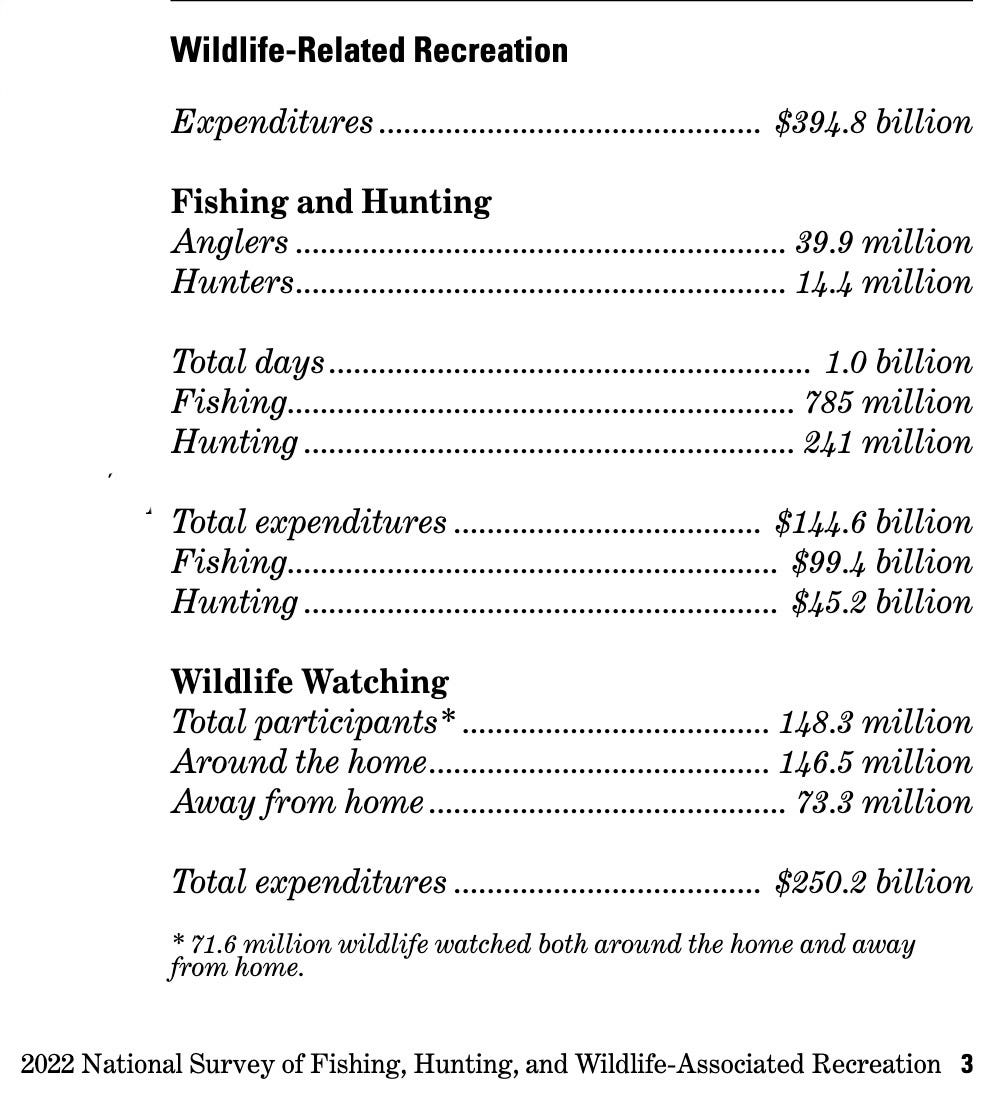
Wildlife watching is among Americans’ most pursued outdoor activities – now perhaps even more than when Aldo Leopold penned his famous book, A Sand County Almanac, in 1949. Many Americans consider wildlife to be important to their quality of life, and value public lands that provide habitat and access to wildlife as an American birthright. In its most recent National Survey of Fishing, Hunting, and Wildlife-Related Activities (2022), the U.S. Fish & Wildlife Service found that nearly 150 million Americans enjoy watching and interacting with wildlife in many ways. Although some species face enormous challenges and declining populations, we are fortunate to have some great opportunities to enjoy wildlife. In some cases, these opportunities are gifts that were once lost and now restored.
Stories of wildlife loss and the restoration
It may be difficult to imagine today that some wildlife now taken for granted as common once were gone from Iowa and many other U.S. states. Some species have returned in smaller numbers, but are hanging on. Others were once considered lost forever, but continue to be seen and heard, sometimes in increasing numbers.
The species spotlighted in this story follow similar story-lines of loss, coinciding with Euro-American settlement and unregulated hunting; loss of habitat as natural ecosystems were converted to large-scale agriculture and other uses; and the use of chemical pesticides. Stories of wildlife species restoration also are similar, often involving regulation of hunting; laws and incentives to protect habitat and reduce pollution; habitat restoration; and species re-introduction and monitoring. During the 20th century, important laws and initiatives were key to success stories of Iowa wildlife, including (click links for more info):
The Migratory Bird Treaty Act of 1918: Restricts “the take” (killing, capturing, selling, trading, and transport) of protected migratory bird species.
Iowa’s state parks and wildlife management areas: The Iowa Conservation Commission (later re-organized as the DNR) was initiated in 1917, with Backbone State Park the first wildlife management area (1920). Important funding came from hunting licenses, habitat stamps, and excise taxes (1937) on hunting equipment, and through the Chickadee Checkoff on state income tax returns.
The Soil Conservation Service (1935)/Natural Resources Conservation Service (1994): Provides landowner assistance for conservation practices.
Establishment of Iowa’s county conservation boards (1956): Locally managed parks and wildlife areas, education programs, and conservation staff exist in each of Iowa’s 99 counties.
Publication of Rachel Carson’s Silent Spring (1962) which stimulated widespread public concern over the dangers of improper pesticide use, and led to the banning of DDT (1972).
The Endangered Species Act (1973): Establishes protections and implements recovery plans for wildlife and plants that are listed as threatened or endangered.
The Food Security Act of 1985: Also known as the 1985 Farm Bill, this federal legislation established new environmental protections, linking farm subsidies to protecting wetlands and erodible land. It included funding for the first Conservation Reserve Program.
Iowa’s Resource Enhancement and Protection Act (1989): REAP provides state funds to enhance and protect Iowa’s natural resources.
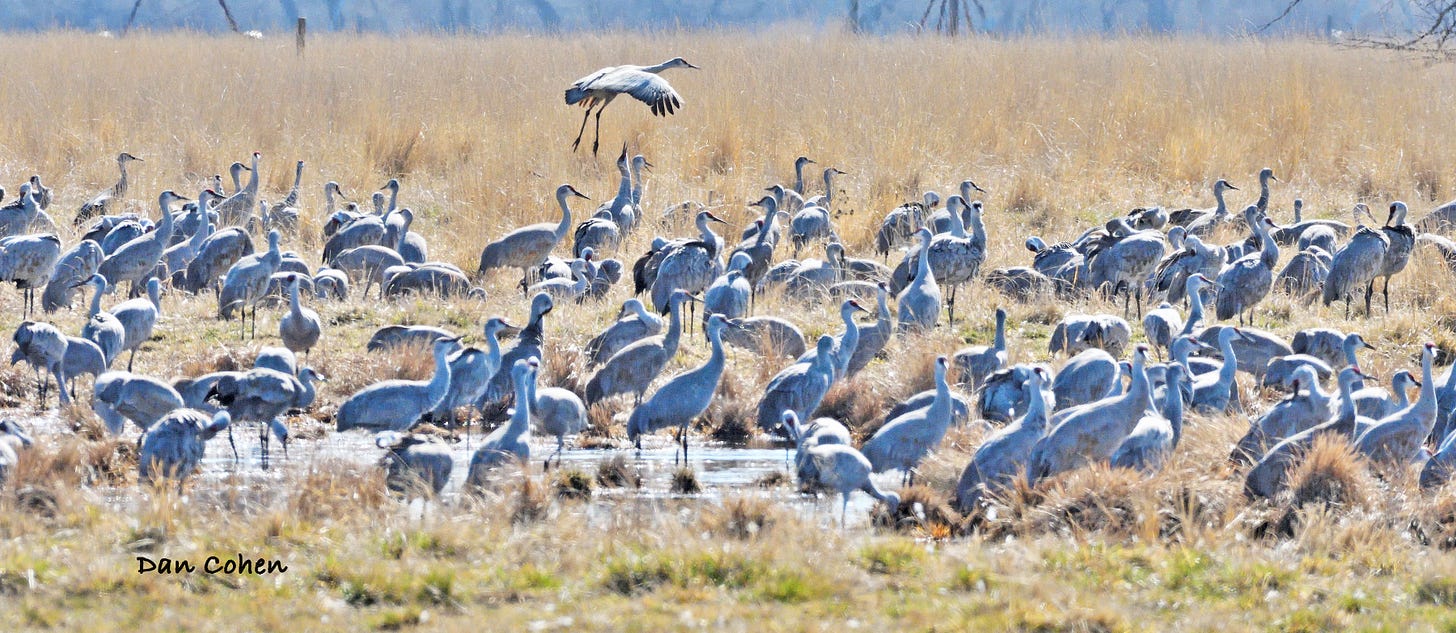
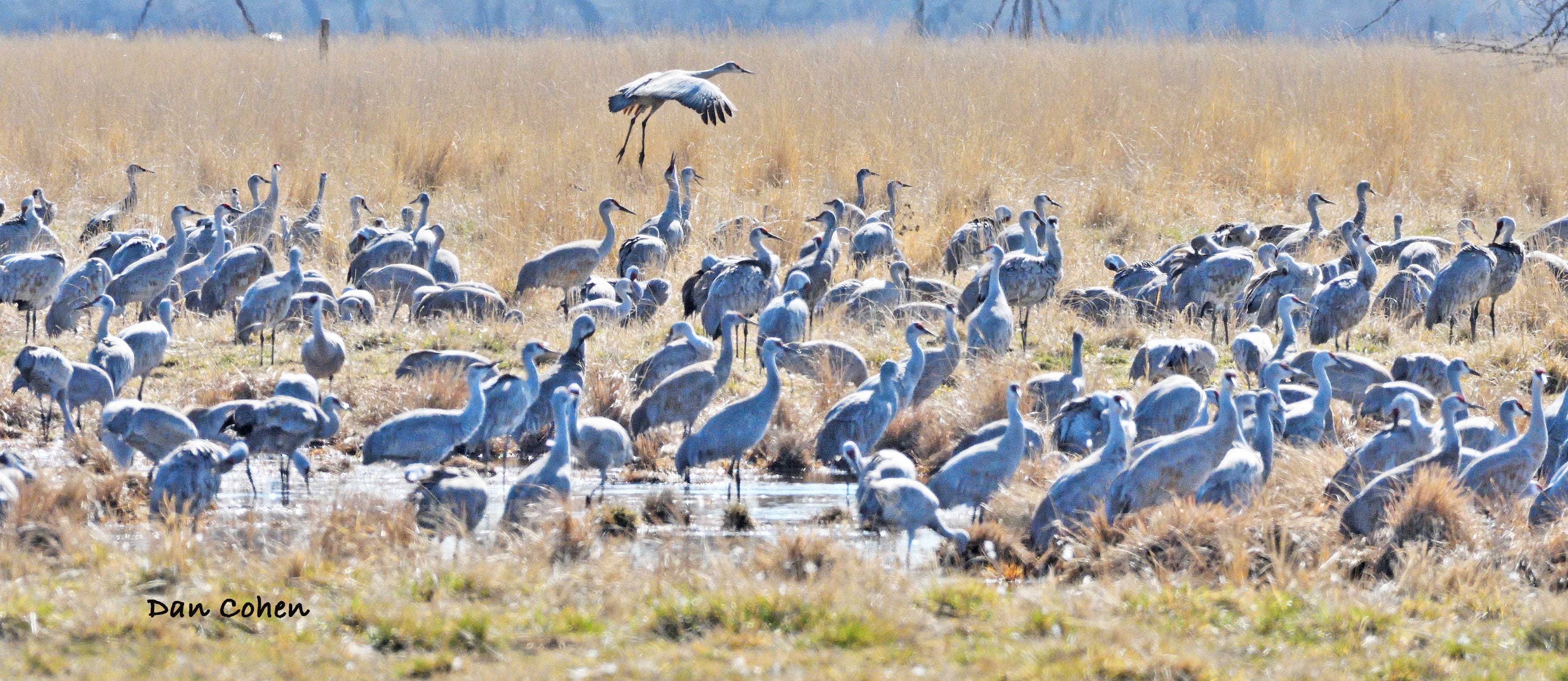
Sandhill cranes pack into a wetland marsh. The 1985 Farm Bill helped reduce loss of wetlands on farm ground; programs such as CRP provided incentives for restoring habitat; and county, state, and nonprofit conservation organizations work to protect and manage habitat while often providing public recreation. (photo by Dan Cohen)
Gifts of life – Iowa’s wildlife back from the brink
This story shines a light on a half-dozen mammal and bird species that are easily observed today but once were absent from Iowa (and other portions of the country). A second story will come out in coming weeks to spotlight another batch of species. Stories of species lost are even more numerous among invertebrate and plant species, with fewer dramatic successful population returns (although there are some great stories one could tell about these species as well).
Trumpeting of swans
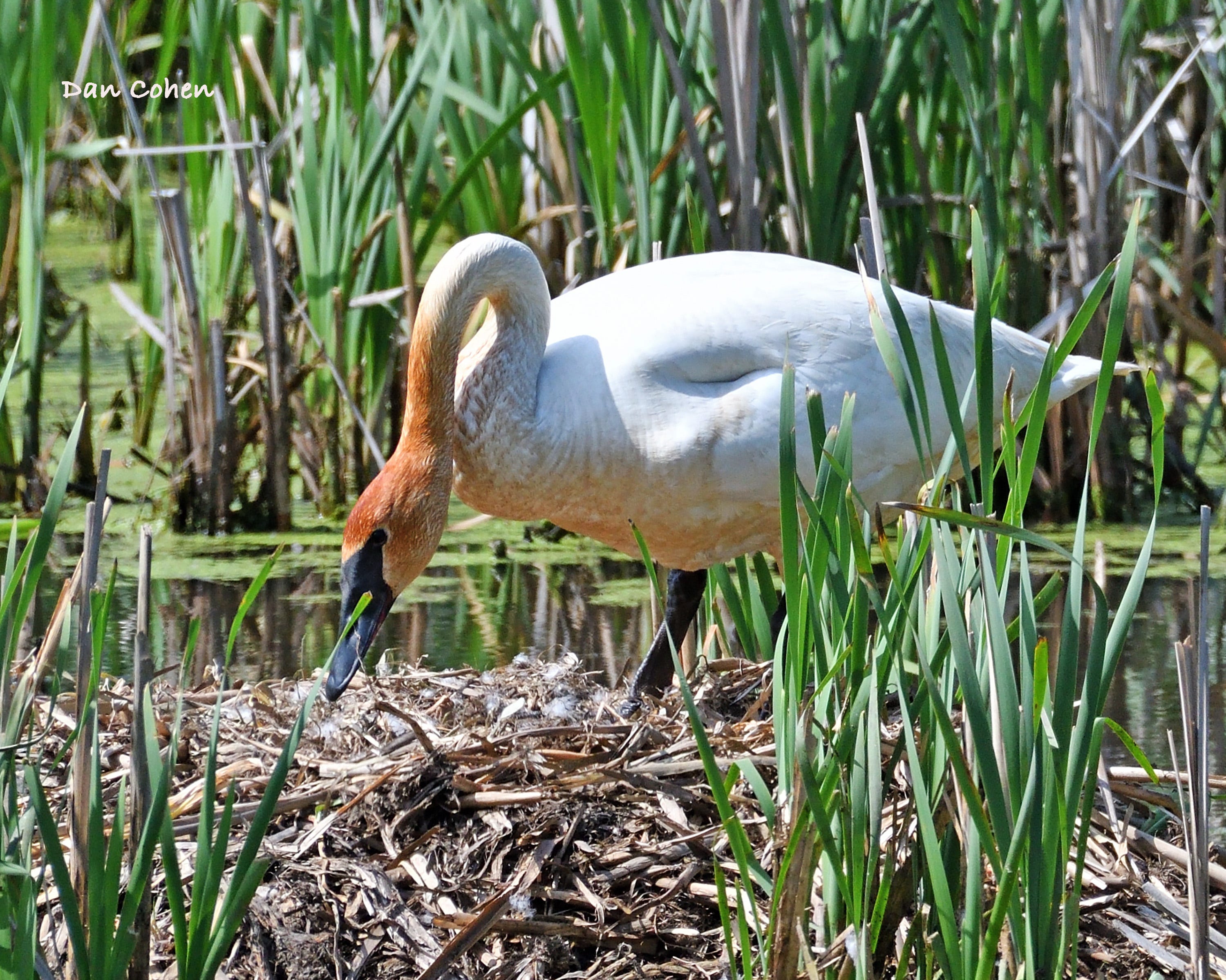
Trumpeter swans are an iconic bird of Iowa wetlands – part-and-parcel of the prairie-wetlands that once dominated much of the Iowa landscape. These grand, majestic, bright white birds – Iowa’s largest waterfowl - were conspicuous on the landscape, whether flying, feeding in fields, or nesting on marshes. Trumpeter swans were quickly vanquished from Iowa through unregulated hunting and egg collecting. Their return was further hampered as wetlands were quickly drained and replaced by agricultural fields. By 1883, only occasional migration sightings of the once common birds were noted. Their loud, trumpeting calls muted.
Wetland protections, beginning with the Food Security Act (1985 Farm Bill), began to set the stage for a return of trumpeter swans to Iowa. Strict laws made it illegal to hunt or otherwise kill swans. The Iowa Department of Natural Resources, with the assistance of private landowners and citizen volunteers, began reintroducing swans to some protected Iowa wetlands in 1994. In addition to the release of birds, the project included carefully population monitoring and identifying best practices for re-establishing nesting swans. In 2025, a modern-day record 158 swan nests were recorded in the state, up 17 percent since 2022. The population is doing well, but there still are modern threats. Swans are prone to being poisoned by ingesting lead shot, flying into power lines, and being infected by avian influenza.
White-tailed deer – collapse and rebound
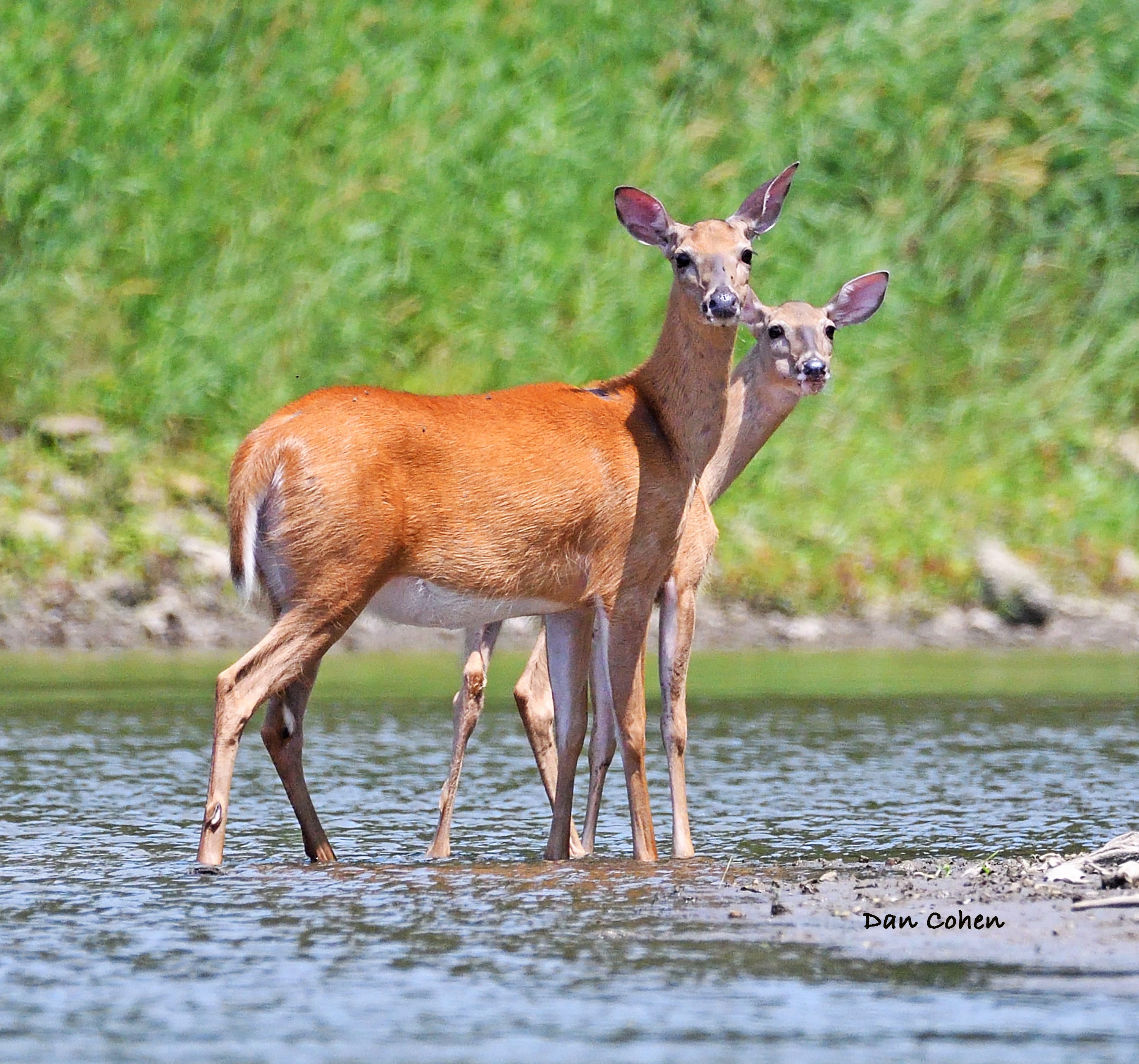
This is a shocker. White-tailed deer were once gone from Iowa. Although still plentiful in Iowa during the first half of the 19th century, by 1857 the population decline was in full swing. Unregulated hunting was rampant, with venison a key component on pioneer tables. Although hunting limits to protect deer were enacted, there was little to no enforcement. A record-harsh winter in 1881-1882 ravaged the dwindling deer population. By the 1890s, deer were essentially gone from Iowa. In 1898 a law was passed giving full protection to non-existent deer. The eradication of white-tailed deer was not exclusive to Iowa. The entire population east of the Great Plains, estimated to have been more than 40 million before the arrival of European settlers to North America, was likely less than 500,000 in 1908.
The return of white-tailed deer began with the escape of captive deer and some individual deer straggling in from neighboring states. Private, penned herds existed in the 1880s, and some of those deer escaped. By 1936, several hundred deer were surviving near these sites, and people were surprised to see how well they adapted to farms and small, fractured woodlands. The Iowa Conservation Commission (now the DNR) began efforts to capture and relocate deer to other parts of the state. By 1947, the population grew to 1,650. In 1953, there were an estimated 13,000 deer in the state and the first limited, modern-day hunting season was established. Iowa DNR estimates the current deer population in Iowa to be around 445,000. Deer now are carefully managed with hunting regulations and are Iowa’s most popular game species.
Bugling of Cranes
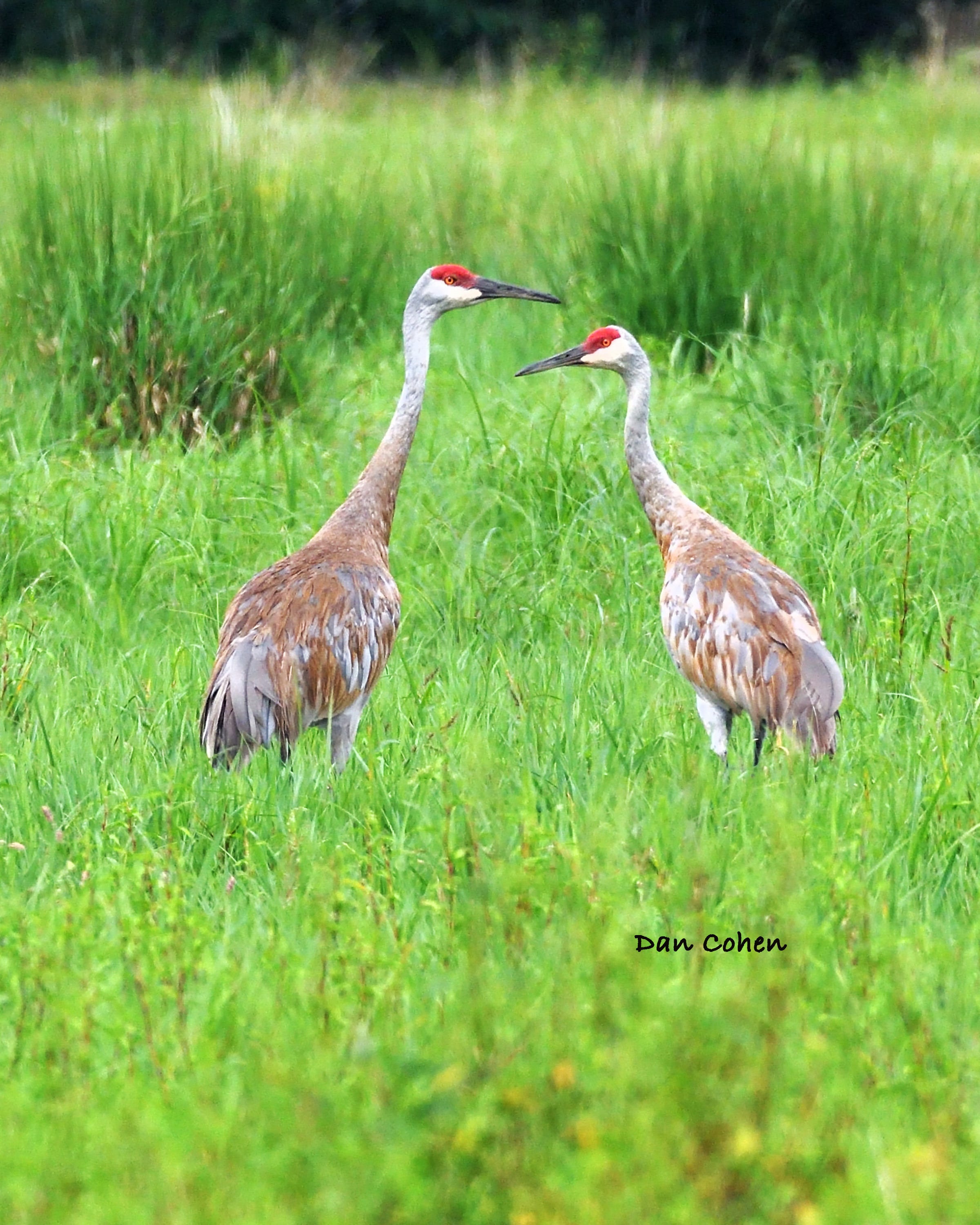
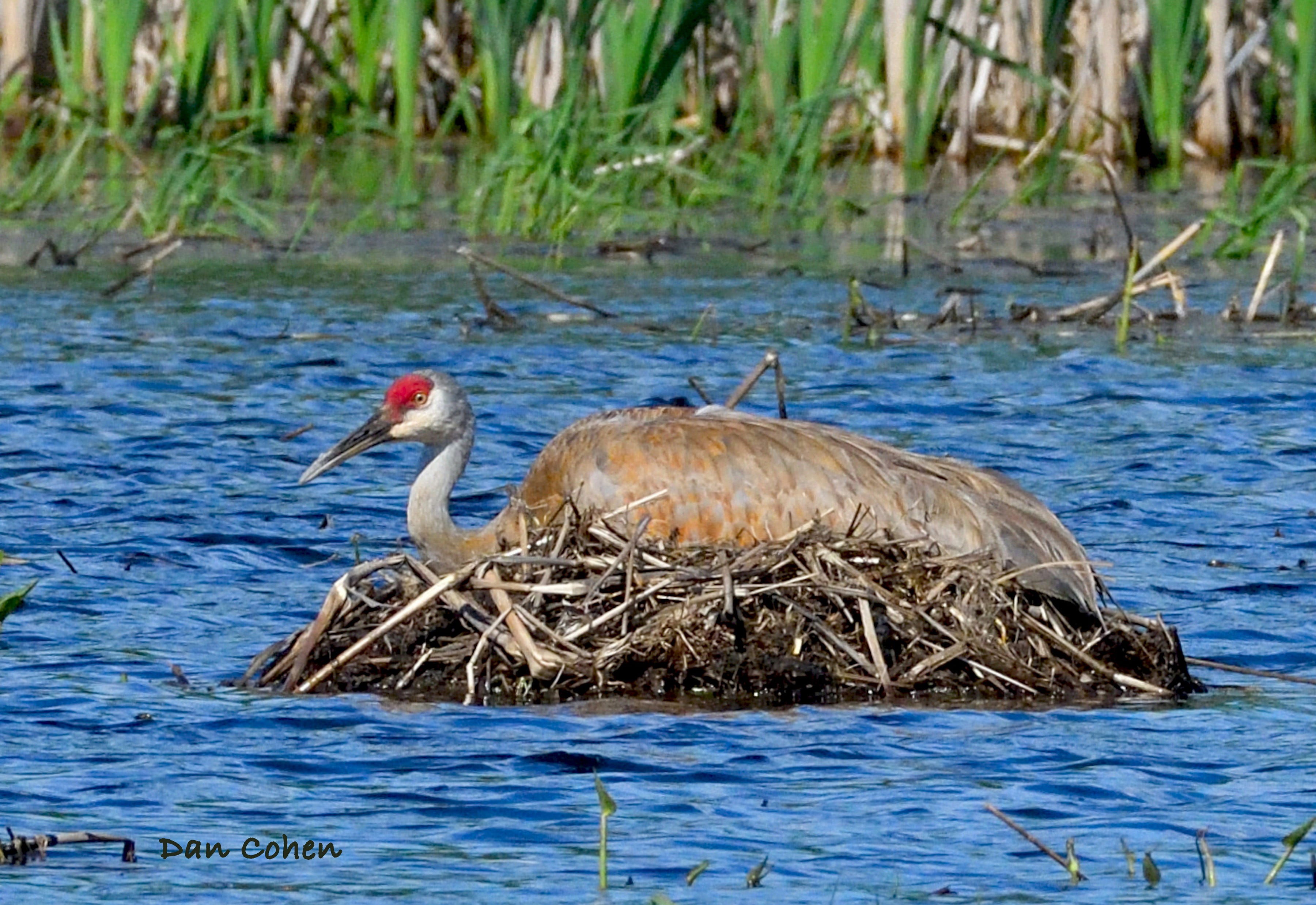
For nearly a hundred years, the ancient, bugling call of cranes – echoing through Iowa’s prairie-wetlands - was silenced. Sandhill cranes and whooping cranes nested in Iowa until the late 1800s, with sandhills being the most common. The last sandhill crane nest recorded in the nineteenth century was from an adult pair in Humboldt County (1884). It would be 98 years until a successful crane nest would again be documented in the state. During this period, rare glimpses or distant calls of migrating cranes were reserved for the luckiest of Iowans.
Cranes suffered from the near-total transformation of prairie-wetlands to Iowa farmland, taking away the required wetland habitat for the birds to nest and feed their young. Unregulated hunting, mostly for food, but also for sport and pest control (cranes will feed on crop grains during fall migration), also impacted the population. And egg collectors frequented Iowa nesting grounds in search of prized 3.5 to 4-inch crane eggs. The last sandhill crane nest in 1884 had its eggs taken by a collector.
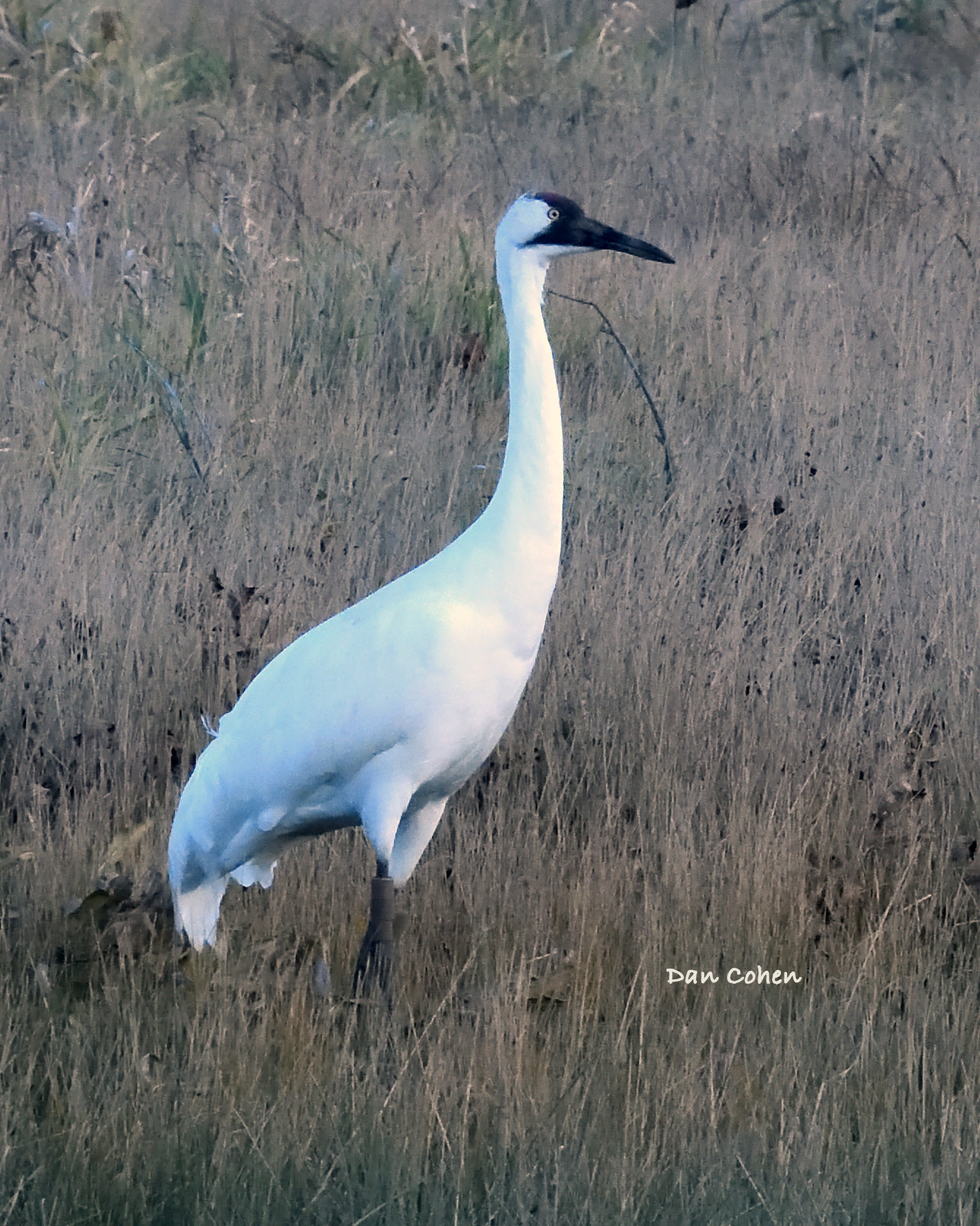
Whooping cranes remain only a rare migratory visitor to Iowa. They are, however, back from the very brink of extinction. In the 1940s, the worldwide population of whooping cranes was down to 21 individuals. Today, there is a steady population of some 600 wild whoopers.
Sandhills have made an amazing comeback. Iowa DNR waterfowl biologist Orrin Jones stated that, “Although more monitoring is needed to fully know population trends, every indication is that sandhill cranes are increasing both in nesting success and abundance”. Wetland protection and restoration efforts, and carefully regulated hunting, have brought back a priceless gift to current and, hopefully, future generations of Iowans. There are still threats facing sandhill cranes, and it is important to protect, enhance, and expand important habit areas. Avian influenza also threatens crane population. Last year’s outbreak in Indiana caused many sandhill crane deaths. [for a more detailed crane story and more crane photos, check out this past Nature Communications story]
A living symbol of America and its wildness
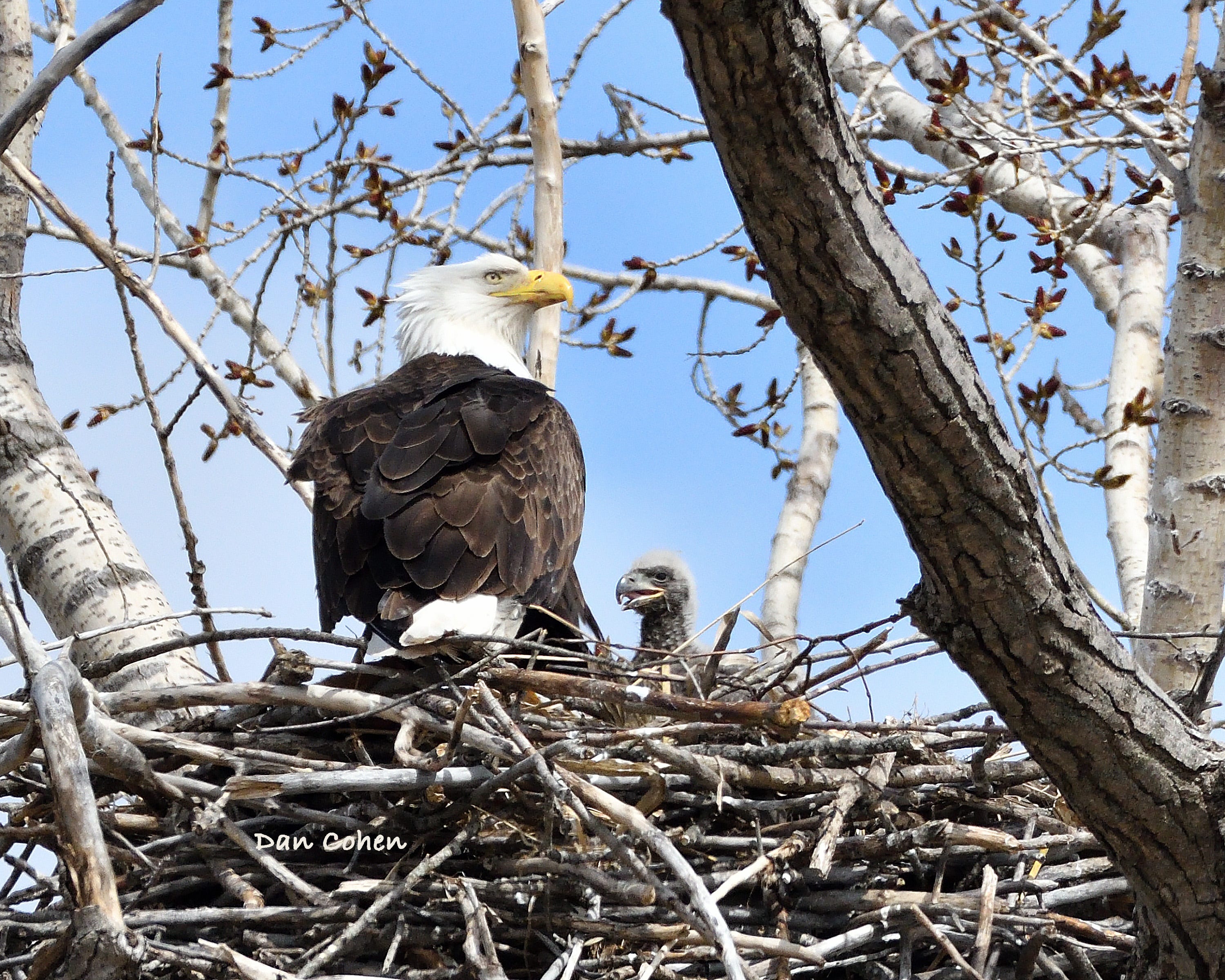
The majesty and beauty of the bald eagle is a gift that we may now sometimes take for granted. Although historically common throughout most of the United States, by 1907 only about 450 nests existed in the lower 48 states, and none were in Iowa. The decline involved the usual culprit of nineteenth century habitat loss and killing of eagles. However, a big factor was use of the organo-chlorine chemical pesticide DDT, which was commonly used from the 1930s until it was banned in the United States in 1972. The chemical would concentrate in the bodies of eagles and other predatory birds when they fed on fish and other prey that had ingested the pesticide. The result was a double whammy of sickened birds and poor reproduction. The poisoned birds would lay eggs with abnormally thin shells that often broke prematurely.
The return of bald eagles to Iowa was a result of banning the use of DDT; improving and protecting habitat, especially in river corridors; and Endangered Species Act federal protections once the bald eagle became listed in 1978. After seventy years of absence, a pair of nesting bald eagles were observed in Iowa in 1977. Today, the Iowa DNR’s nest monitoring program reports 832 active nesting territories. Considering other potential nest sites and the fact that some nests are not being reported, the DNR estimates there likely are between 1,100 and 1,200 active nests in the state. Many more bald eagles pass through or winter in Iowa, even if they don’t stay and nest. The January 2025 mid-winter survey reported a record high 5,795 bald eagles. It is a remarkable comeback and wonderful gift restored to Iowans and people in many other states.
Feathers and talons over Iowa waters
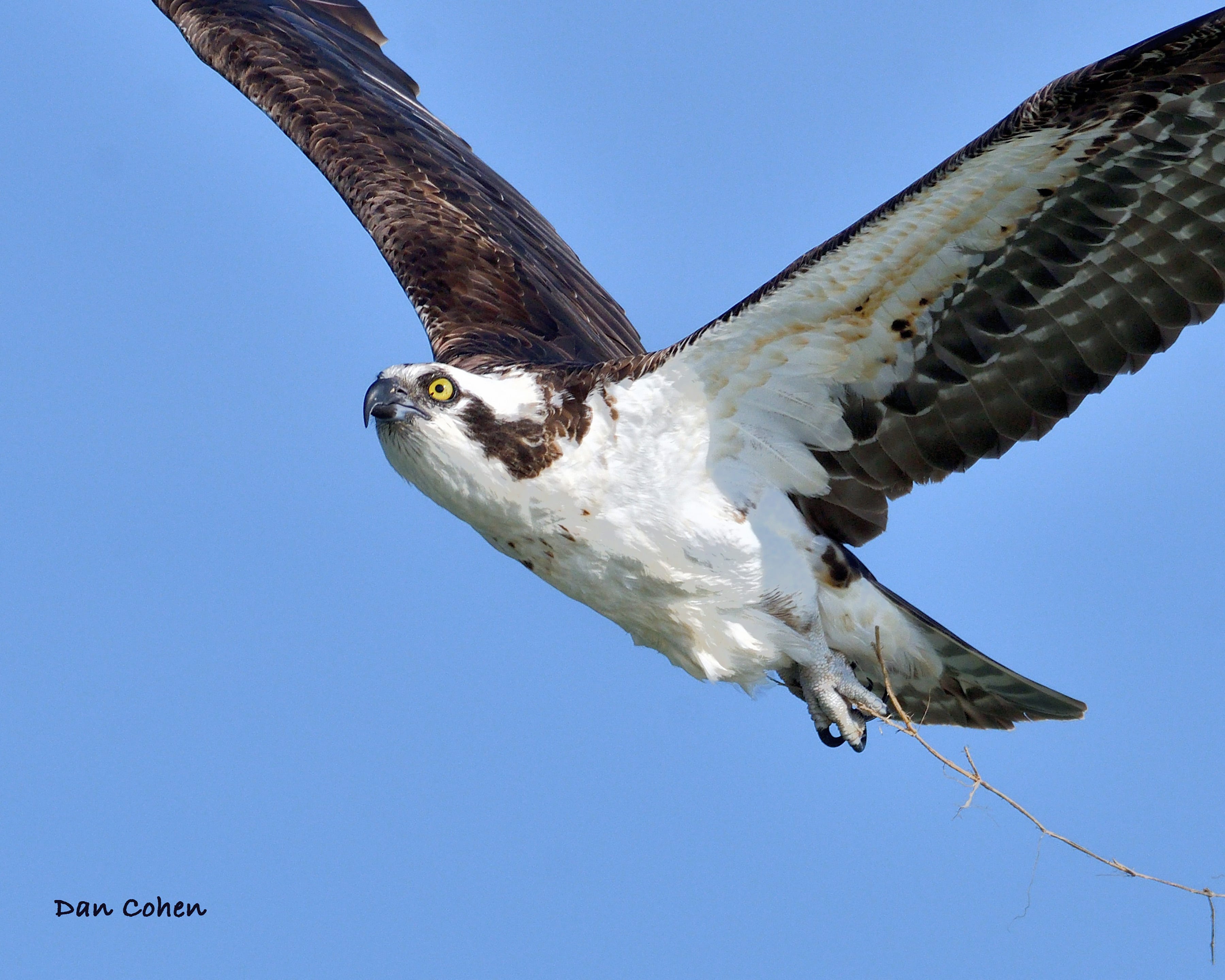
Ospreys are Iowa’s fishing fanatic raptor. Bald eagles prefer seafood, but will eat other wild species of the right size – alive or dead. Ospreys, however, have a diet that is about 99 percent caught from lakes and rivers. For this reason, they are sometimes called fish hawks or fish eagles.
Although ospreys nested in Iowa before Euro-American settlement and are documented in Iowa’s native American art and oral history, they probably never were common nesters in Iowa. They did fly through Iowa to nest in states to the north, Canada, and Alaska, but their numbers rapidly diminished by the mid-twentieth century. The story of the osprey population crash and slow recovery in North America is closely tied to the use of DDT that peaked in the 1950s and then was banned in 1972. As with bald eagles, ospreys were exposed to DDT as they fed on contaminated fish. The chemicals became concentrated in their bodies resulting in eggshell thinning and fewer young surviving to replenish the population.
After 1972, osprey populations began a gradual increase in the United States. The return of these impressive birds was aided, first in Minnesota and Wisconsin and later in Iowa, through a program of capture and release of young birds. In Iowa, efforts began in 1997. Young birds were captured in Minnesota and Wisconsin just before they were able to fly and brought to Iowa locations with good osprey habitat. Small groups of birds were placed in hack towers – rearing structures atop tall posts or towers where they were fed and given time to imprint on their surroundings. Ospreys have high nest fidelity, meaning if they are imprinted on a location while they are raised, they are extremely likely to return to that area to nest as adults.
The first successful nesting since colonial times occurred at both Spirit Lake and Iowa City in 2003. According to the latest Iowa DNR report, osprey nest sites are increasing. There were 70 monitored osprey nests in 2025, with 54 nests actively in use. In 2024, Iowans monitored 39 active nests. The birds are nesting in loose colonies where there is plenty of water for foraging and tall structures, such as cell phone towers, atop which they build their nests. Polk and Black Hawk counties have the most nests.
The opportunity to see geese
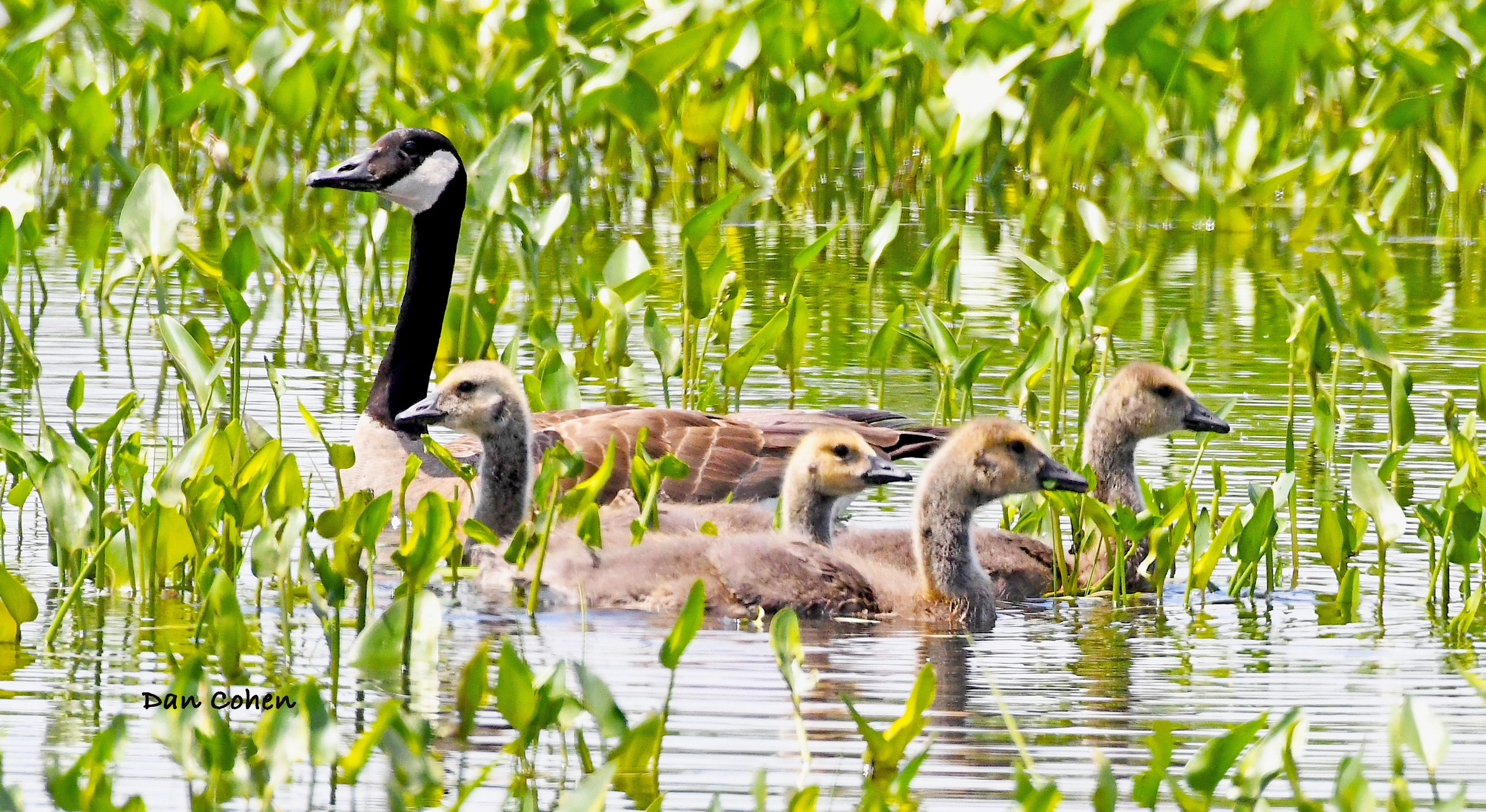
In 1949, when Aldo Leopold wrote A Sand County Almanac and commented so eloquently about the opportunity to see geese, few would have thought this opportunity would be gifted back to us. It is hard to imagine that these large, loud, noticeable birds were absent from Iowa between 1907 and 1964.
The greater Canada goose is the largest goose in the world. They were highly sought for food, feathers, and eggs by Euro-American settlers and then by market hunters who would fill train boxcars full of waterfowl for food markets elsewhere. Canada geese fell victim to this unregulated hunting and also to the conversion of wetlands to farmland and other uses. By 1900, many feared the greater Canada goose had gone extinct. However, in 1962, a small population was discovered in Rochester, Minnesota. Other small population pockets were discovered elsewhere, including in Iowa, and soon conservation professionals were planning strategies for re-introducing Canada geese more broadly.
In 1964, the Iowa Conservation Commission began re-introducing Canada geese to Iowa wetlands, starting with 16 pairs of flightless birds released in Emmet County. In the coming years more birds were released at 30 sites across the state. By 1970, there were an estimated 800-1,000 Canada geese in Iowa. With more habitat protections implemented through the 1985 Farm Bill and work by conservation agencies and other groups, the Canada goose population took off in fast ascent through the 1990s and 2000s. By 1990, Canada geese were in all counties in Iowa. In addition to wetlands and other natural landscapes, Canada geese have proven to be quite adaptable to life in farm and urban areas. Iowa DNR’s 2023-24 Waterfowl Report estimated the Canada Goose population in Iowa at 92,000. They now are among the most abundant waterfowl in the world. Their numbers in Iowa are managed through hunting zones, seasons, and bag limits.
Part 2 – coming soon
Stories of wildlife once lost are many. Watch for a second installment featuring more birds and mammals that were once vanquished from Iowa and other states, but have returned as gifts that now must be treasured as a legacy for future generations.
Thank for the background information on the loss and restoration of so many species of wildlife in the United States and Iowa. Jim and I look forward to the monitoring of eagle and osprey nests for the DNR every year. A successful nest with young in it brings us so much joy and satisfaction as do the Canada geese that fly over our house almost daily.
Thanks Dan for the informative article on Cranes. Great photos, too! This makes me want to get out and see more cranes.